
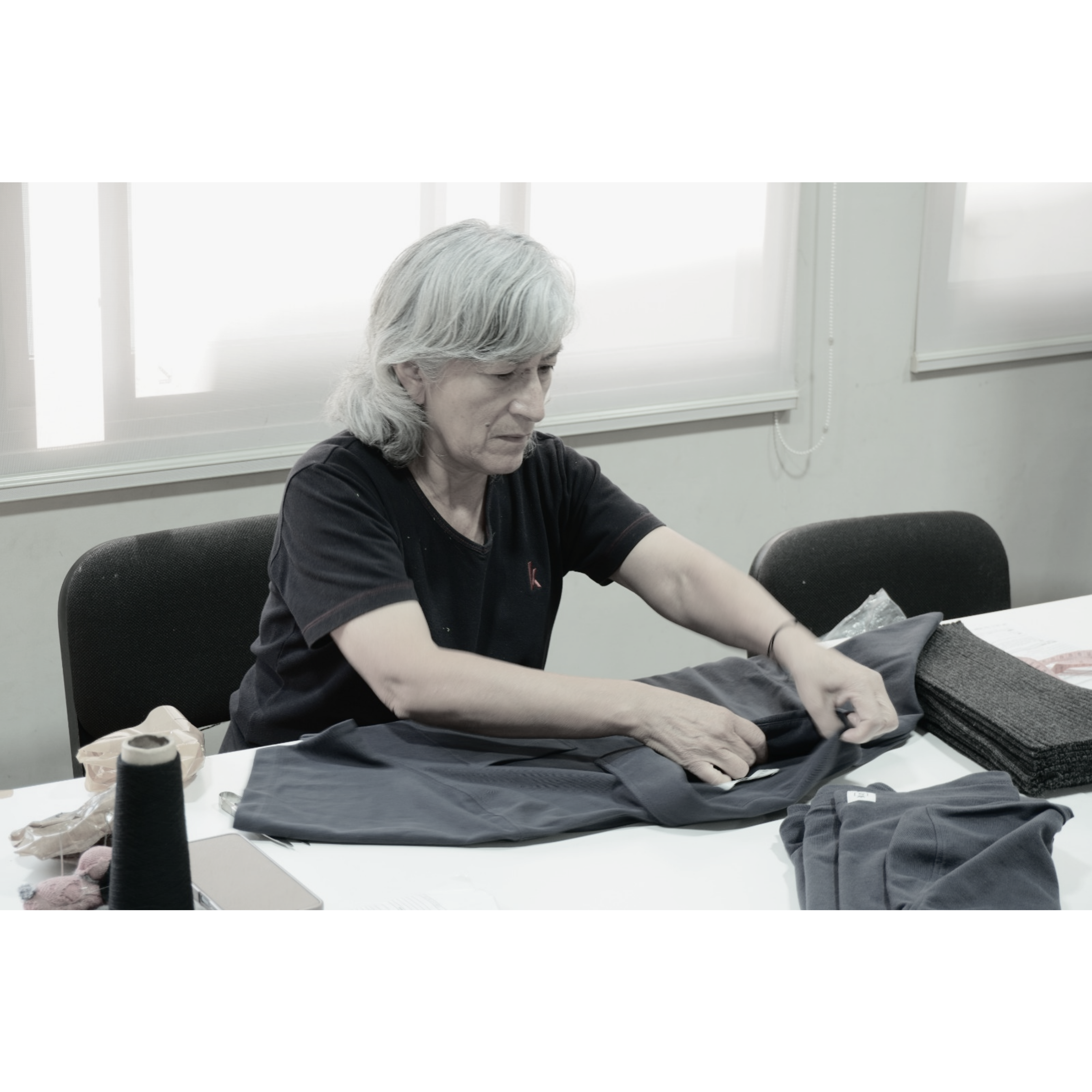
From Craft to Margin.
You've noticed shrinkflation. Drinks that went from 12oz to 11.5oz. Chip bags that are mostly air. "New packaging" that quietly holds less.
Apparel worked the same way, just slower. Same price tag. Same brand name. Cheaper fibers. Faster construction. Lower standards.
It happened gradually — over fifty years — so most people didn't notice. Prices rose. Quality fell. The shirt your father owned for a decade became the shirt you replace every two seasons.
Here's how it happened.
The Timeline
In 1971, the U.S. ended the gold standard. Through the decade, inflation pushed the cost of everything higher — oil, cotton, labor.
Brands had a choice. Raise prices, or quietly change what went into the product.
Most chose the second path. An added synthetic here. A cheaper cotton there. The price tag stayed. The branding stayed. The materials changed.
Once the industry learned customers wouldn't notice, the practice became the playbook.
And once the industry learned customers wouldn’t notice, the pattern never stopped.
Production moved offshore at scale. Skilled shops were replaced by high-volume factories chosen for cost, not capability.
The goal wasn't craft. It was throughput. Speed over precision. Volume over durability.
The industry stopped competing on how clothing was made. It started competing on how cheaply it could be made.
Fast fashion accelerated the cycle. Zara perfected the model: spot a trend, copy it, get it on shelves in weeks. Other brands followed.
The economics shifted. A piece that lasted five years was a missed opportunity. A piece that wore out in one season meant the customer came back for another.
Quality became a competitor to the business model.
The playbook was complete. Cheaper materials. Faster production. Lower standards. All that was left was convincing the customer that the new product was actually an upgrade.
Marketing did the work. A new vocabulary was built to make plastic feel premium:
"Four-way stretch" — clingy and smothering.
"Quick dry" — heat-trapping.
"Performance fabric" — plastic fibers.
"Premium materials" — plastic fibers with a markup.
Brands invested more in telling the story than making the product.
The product got worse. The story got better.
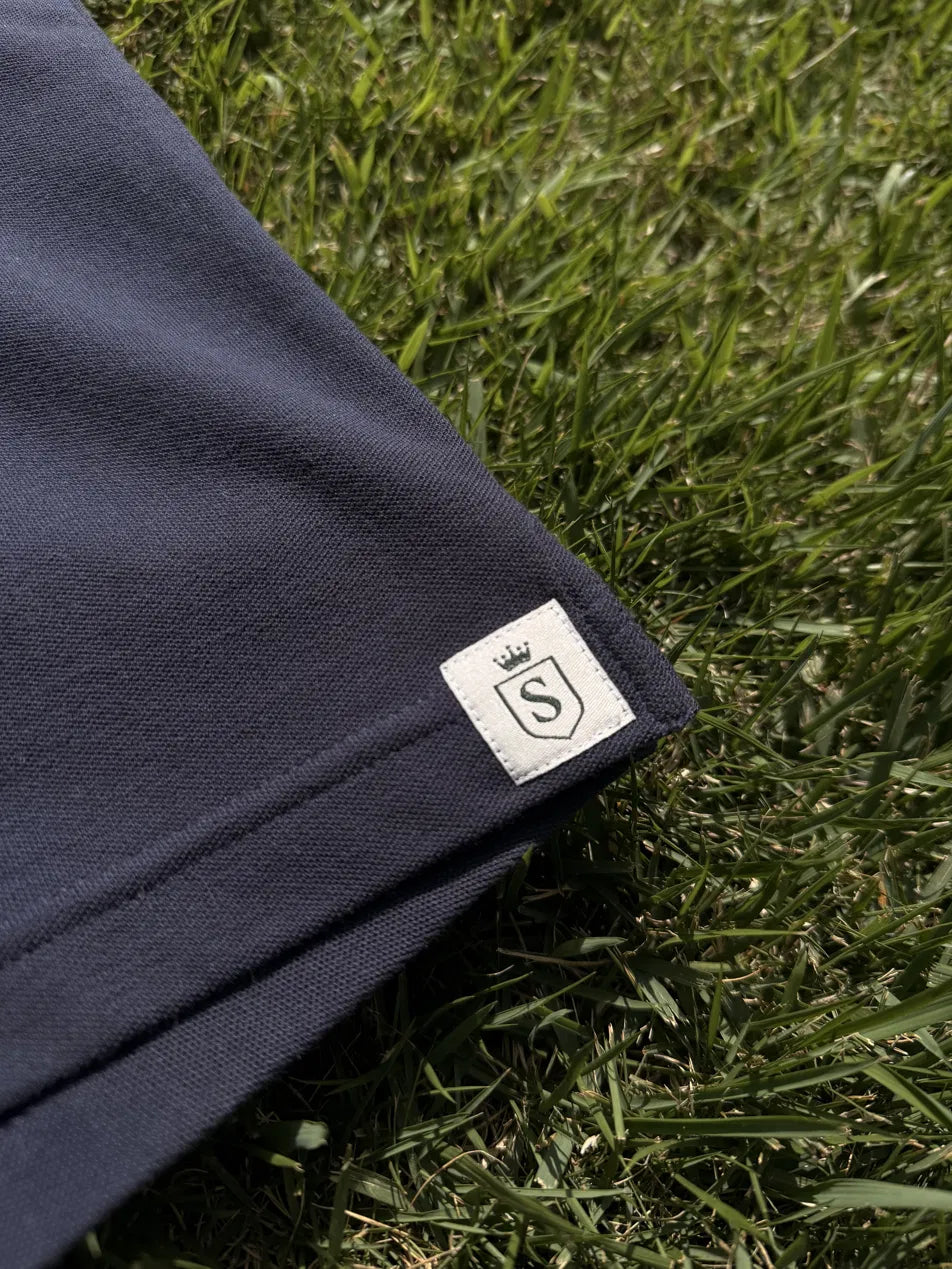
When incentives change, materials follow. When materials change, the product follows. Synthetic fabrics, mass production, and marketing that papers over both — none of it was about the customer. It was about margin.
Silverthorn was built outside those incentives.
Natural fibers only. Skilled makers. Production scaled small enough that no detail gets simplified for volume. Built to last because we don't need to sell you the same shirt three times.
Standards, restored.